
DAVE WATTS, MD
Orthopedic Surgeon
What’s normal and what’s not after knee replacement surgery
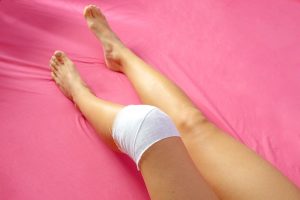
Active lifestyles and degenerative disorders can often lead to the need for a new knee. From athletes to seniors, those who have struggled with pain may find themselves considering knee replacement surgery.
If you have already had knee replacement surgery, or are considering your options, it is good to know what to expect. Here are some things that are considered normal after surgery, and a few things that you may want to prepare for.
Bruising
If simply bumping your knee on the coffee table leads to a bruise, imagine what happens when you undergo major surgery. Bruising is the most natural part of knee injury recovery and can last 1-2 weeks after surgery.
While tenderness comes with bruising, make note if the discoloration or soreness fails to subside.
Stiffness
Stiffness is the most common complaint after any surgery. Your range of motion is sometimes the last thing to return after experiencing a major change in the composition of your frame. After rest, healing, and possibly some physical activity, you should find that you are able to move like you use to, ideally better and without pain.
If you find yourself unable to bend your knee, or are completely immobile, it is in your best interest to follow up with your doctor. While the implications could be serious, it is likely that your doctor will simply recommend some additional physical therapy to get you up and running.
Swelling
Replacing a major joint in your body is a big deal. More than many other types of surgery, swelling in the area of your operation is expected to last for weeks. Your body has gone through a significant change and needs ample time to adjust accordingly.
If the swelling becomes red, expands beyond your knee, or lasts longer than a couple of weeks, it might indicate an infection. This can easily be treated using antibiotics and is best diagnosed by your surgeon.
Clicking
Before your surgery, there’s a good chance you were experiencing some cracking and clicking, natural noises when a joint is in motion. After your surgery, definitely expect to hear continued clicking and popping as the mechanical components of your new knee get adjusted. The clicking may even continue long term.
If you experience sharp pain with any clicking sounds or additional discomfort associated with the noises in your knee, it is definitely time to contact a professional with questions.
Pain
You probably won’t be surprised to find that it will take some time for your body to adjust to having a new knee. Any knee pain treatment comes with some additional pain, but with time and gradual use, your body will acclimate naturally. However, if your pain persists or worsens, it might be time to reach out to your doctor.
Everything considered, knee replacement is the most effective way to move through pain and get back to the hobbies and activities that you love. Reach out to a local Sioux Falls orthopedic clinic for more information or to schedule a consultation.
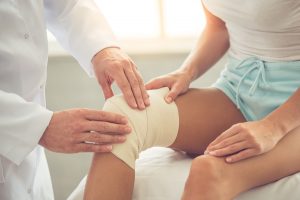
When it comes time for knee replacement surgery, most patients find that they’re ready to leave pain and limitations behind. While there is a long road to recovery after any surgical procedure, the path can be made easier when you know exactly what to expect from the recovery process.
Any Sioux Falls orthopedic specialist should be happy to answer any and all of your questions on the subject of surgery and recovery, so don’t hesitate to ask if you have any concerns. After all, you want to be sure you’re making the best choices concerning your own health, and this means being proactive.
Of course, you might not really know what questions to ask if you’re new to surgery and the knee injury recovery process. Here are just a few of the most commonly asked questions about knee replacement recovery that you may want to ask beforehand.
What Can I Do to Prepare for Recovery?
There are several steps patients can take to prepare for knee surgery and subsequent recovery. First and foremost, you need to make sure your home environment is set up so that you don’t have to navigate stairs for a while. You may find that adding a temporary toilet and/or shower railings for support or a bench in the shower is helpful, as well.
You should also line up physical assistance, whether you count on a spouse, an adult child, or a home caregiver for assistance, at least in the days immediately following your surgery. You might need help with daily activities like standing, walking, dressing, bathing, and more, and you won’t be able to drive for several weeks.
If you want to do all you can to minimize recovery time, consider adding regular exercise to your daily routine to adopt the habit and prepare for PT. Some patients may also want to lose a few pounds to reduce stress on joints before and after surgery.
How Long is the Healing Process?
Many patients want to know when they can return to normal activities following a knee replacement surgery. The truth is that it’s difficult to tell. It really depends on each patient and how quickly their body heals.
Generally speaking, patients can expect to return to normal daily activities (low impact) within about six weeks. However, it’s hard to estimate when a patient will fully recover. It could take anywhere from about three months to a year, during which follow-up care and probably physical therapy will be required.
During this time, there may be setbacks like reinjury if you push too hard, so it’s always best to follow the advice of physicians and PTs to the letter and go slow. Your perseverance will pay off in the end, thanks to a new knee that functions even better than the old one.
Will There be Pain During Recovery?
If you’re undergoing knee replacement surgery, there’s a good chance you’re already suffering from knee pain. However, a surgical procedure is also going to result in some pain during the healing process. You can rely on knee pain treatment like OTC or prescription pain killers to alleviate pain following your surgery, and with regular physical therapy you should recover as quickly as possible, eliminating pain and returning to your life.
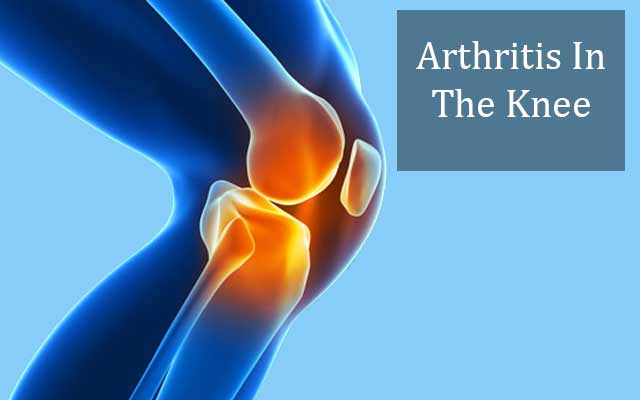
Your knee can get affected by various kinds of knee arthritis.
Let us have a look at the different types of knee arthritis.
Osteoarthritis
The common type of arthritis in the knee is osteoarthritis. Osteoarthritis is a condition which gradually wears down the knee joint cartilage. Patients in the middle age usually get affected because of this type of arthritis.
Post-Traumatic Arthritis
The post-traumatic arthritis develops after an injury. It may take years after an injury like knee fracture, ligament injury, or torn meniscus to show up.
Rheumatoid Arthritis
Rheumatoid arthritis causes inflammation in the knee. There is no age for developing this kind of arthritis in the knee.
Common Signs of Arthritis in the Knee
Let us have a look at some of the common signs of arthritis in the knee.
Knee Deformity
The arthritis in the knee can cause changes in the shape of the knee. There is a sunken appearance of the muscles around the knee. The arthritis weakens the surrounding muscles. This knee deformity will result in the knees pointing towards or away from each other. The appearance may not be noticeable or very apparent. The level of deformity of the knees depends on the extent of damage done by the arthritis.
No Space Between the Joint
An X-ray is the best way to determine the space between the knee joint. A reduction in joint space can result in reduced range of motions. The arthritis wears away the joint’s edges and reflects human body’s own effort to repair itself. These symptoms usually point to osteoarthritis.
Lack of Mobility
Lack of mobility is another important system of arthritis in the knee. The arthritis makes it difficult for knee joints to glide. The lack of mobility makes even simple movements difficult. The decrease in range of motions becomes more evident when you participate in sports related activities. The arthritis affects functioning of the knee joint and creates hurdles in performing everyday tasks.
Popping or Cracking Sounds
Another symptom is the feeling of a grinding sensation when you move your knee. The patient may hear popping or cracking sounds from their knees. The loss of smooth cartilage points to the effects of arthritis. The grinding sounds come out because of the roughing of the surfaces. These sounds may come out because of rubbing as well.
Locking of the Knee
Arthritis in the knee may weaken the muscles surrounding the joint. It may lead to weakening and destabilizing the joint structure. Weakness in the knee can result in giving away or locking. The joint may become sticky and may not bend or straighten. These symptoms can vary from one patient to another.
Tenderness or Swelling
The arthritis can also cause inflammation in the knee. Sometimes, there is inflammation because of extra fluids or bone spurs. Swelling can occur after a long period without physical activity. The condition may lead to feeling of warmth or redness on the skin. This may also cause chronic knee inflammation which can improve with the use of over the counter medicines.
Let us have a look at some of the ways to comfort the arthritis affected knee.
Take Rest
The feeling of little discomfort in the knee joint is normal. You may feel a bit of stiffness when you start a routine exercise. If you feel uneasiness and pain the knee, you should stop the physical activity. You need to take rest. It usually takes 2 to 4 days for the routine knee pain to subside. However, if you do not find any relief after a few days rest, you must get in touch with an orthopedic doctor.
Reduce Physical Activity
Exercise forms an important part of a healthy life. However, patients with osteoarthritis must avoid activities which would aggravate their pain. Sports activities involving a lot of physical activity should be avoided. However, it does not mean the patient should leave all physical activities. A patient needs to do some kind of physical activity without straining their knee joint. Inactivity is also not good for patients with arthritis in the knee.
Exercise and Physical Therapy
Exercise and physical therapy can help reduce the pain. The doctor will advise you with the right kind of exercise to take care of your health. Similarly, you must be careful in choosing the right exercise for yourself. Always consult with your orthopedic surgeon before choosing a workout routine. Some exercises may not be suitable for the arthritis in the knee.
Reduce Weight
Arthritis is a painful condition. A patient weighing more than their BMI adds stress to the knee. One way of helping patients with arthritis means management of their body weight. An overweight person puts a lot of extra pressure on their knee joints. Consult your orthopedic doctor in Sioux Falls to know about how weight reduction can help overcome knee arthritis pain.
Use of Injections for Knee Osteoarthritis
Your orthopedic surgery doctor may suggest the use of hyaluronan injections. These injections are also known as viscosupplementation. Some of the choices include injections containing sodium hyaluronate, euflexxa, orthovisc, and supartz. You must always take the advice of your doctor. Your orthopedic surgery doctor is the best person to decide on the type of medication to help with knee arthritis.
These injections have fluid which acts as a shock absorber. The fluid helps reduce the friction between the bones of the knee joint. The liquid helps the bone joint easily glide and reduces chances of osteoarthritis.
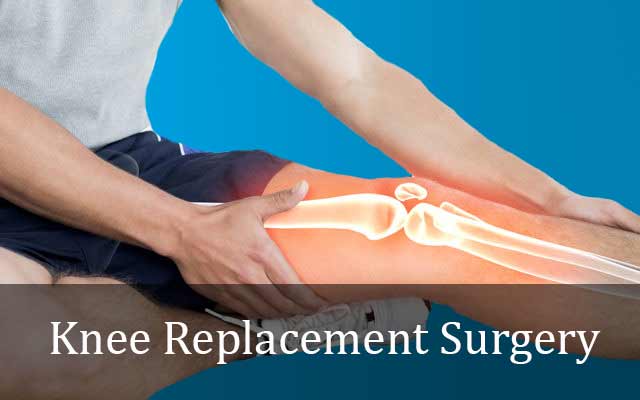
Total knee replacement or TKR or Total Knee Arthroscopy is a surgery for replacing an arthritis knee with artificial joint. The artificial joint of knee is known as prostheses.
The older patients with severe knee pain usually go for this procedure. The knee replacement surgery helps them improve their functional mobility.
 ead to serious knee problems.
Problems Arising Because of Arthritis Knee
- The excessive bone or spurs can build up around the knee joint edges.
- There is irregularity in joint bone, which the Sioux Falls orthopedic surgeon can see in an X-ray image.
- The swelling of the thick arthritis knee.
- The absence of cartilage lining or its damage or inflammation.
- This may also signify presence of arthritis at a particular stage.
Why Go for Knee Replacement Surgery?
The disease knee osteoarthritis poorly impacts the quality of a patient’s life. It becomes very difficult to take a few steps up the ladder, sit down for a while or walk briskly.
The aim of the knee replacement surgery is to help overcome pain and bring relief to the patient.
However, you must not directly consider opting for surgery of the knee. You must first look into other available options.
Let us first look at other options before you can consider getting a surgery of your knee.
Try Losing Weight
Weight loss is another way of improving your overall fitness and overcoming knee problems. Sometimes, the knee may swell because of extra weight.
Use of Nutritional Supplements
You can try using different nutritional supplements on the advice of your doctor only. The nutritional supplements help repair cartilage, tendons and ligaments. The nutritional supplements help stimulate signals necessary to heal damaged tissues.
Some of the nutritional supplements produce extra synovial fluid which acts as cushion. The added cushion within the knee joint helps relieve pain and overcome inflammation related problems.
An important benefit of using nutritional supplements is regulation of the enzymes. These enzymes help breakdown the new cartilage and reduce inflammation. There is an analgesic effect because of the enzyme release.
Physiotherapy and Exercise
Physiotherapy is another great way of reducing the knee pain. There are different benefits that patients can have by relying upon physiotherapy and exercise.
Let us have a look at the ways in which physiotherapy can help.
- The use physiotherapy helps overcome knee pain. The exercises help improve the strength of the muscles. The physiotherapy has a positive effect on the entire body and can also help stabilize lumbar spine.
- The problem of obesity is evident in all of the United States. More than one third of or 35% US adults are overweight as per the Center for Disease Control and Prevention. Physiotherapy also helps overcome obesity and makes it easy to enjoy an active lifestyle. In some cases physiotherapy also helps overcome issues which relate to tendonitis and sore knees.
- There is a range of different exercises that you can perform to overcome the knee pain. Some of the typical exercises that orthopedic surgery doctors recommend include hamstring stretch, calf stretch, straight leg raise, quad set, seated hip march, pillow squeeze, and heel raise.
Oral Medication
Let us have a look at the popular oral medication choices.
Gout Medications
There are some medicines typically prescribed for gout or high levels of uric acid. This increase in levels of uric acid in the blood can result in serious joint pain and inflammation. These medications take care of the inflammation and pain. There are other medicines which reduce pain. People with gout and pain may be required to take both the medicines.
Corticosteroids
Corticosteroids are quick acting medicines which control inflammation in the body. Sometimes the inflammation in knee is not an isolated condition. There may exist a condition result in inflammation of all joints. In such scenarios the doctor may prescribe the patient to use oral corticosteroids. These medications help overcome the inflammation due to systematic forms of arthritis. In such cases the doctor may ask the patient to use oral corticosteroids.
Anti-Rheumatoid Drugs
When the doctor recommends DMARDs or anti-rheumatoid drugs for knee pain, they do not have a direct effect. The knee pain causes differ from one patient to another. However, the use of anti-rheumatoid drugs helps reduce the knee pain. Sh DMARDs may be used for overcoming chronic knee pain.
The DMARDs help overcome joint pain by blocking inflammation. It is important to get DMARDs or else it will only result in increased knee joint pain. Your orthopedic doctor will look into different factors before recommending a particular medicine of pain relief for knee.
Biological Response Modifiers
There is another way of treating rheumatoid arthritis too. The use of biological response modifiers are prescribed by orthopedic physician to patients whose knee does not respond to DMARDs. The biological response modifiers drugs including Abatacept, Adalimumab, Adalimumab-atto, Anakinra, Infliximab, and Tofacitinib among others.
Procedure for Knee Replacement Surgery
In some cases surgery may be the best pain relief in the long run. If other methods of pain treatment for knee fail, the patient may have to undergo knee replacement surgery.
The Procedure
The orthopedic surgery doctor will need to take exact measures of the disease affected area of the knee bone. The surgeon will have to reshape the bone in order to make space for the implant.
The surgeon usually builds the artificial implant inside the knee. The idea is to create separate components to keep the knee joint as flexible as possible.
In the next step of knee replacement surgery, the surgeon will make an incision to have access to the patella. The traditional knee replacement surgery involved a long 8 to 10 inches incision. Thanks to advanced in surgical technology, the incision size is reduced to 4 to 6 inches. In some cases the doctor may need to make a bigger incision. It entirely depends on the type of surgery required.
Upon opening of the knee, the surgeon can see the patella or kneecap. The surgeon will rotate the patella to view the area which needs surgical operation.
The orthopedic surgeon will first resurface the femur bone, commonly known as thigh bone. The surgeon will make precise cuts using special instruments. The orthopedic doctor will remove the damaged cartilage or bone from the femur and resurface it for the artificial knee.
The orthopedic surgeon will attach the metal fermor to the end of the femur. The orthopedic surgeon will use bone cement for sealing the artificial component in place.
Once the orthopedic surgeon resurfaces the femur, they will resurface the tibia too. The surgeon will remove the damaged bone and cartilage on tibia and also reshape it for fitting the metal and plastic tibial parts.
The orthopedic surgeon will also cement the bone to secure the femur in place. The placement of a polyethylene insert will help provide support and stability to the knee during bends.
The surgeon will flatten the patella by adding plastic component and cement it with the bone.
After completion of the procedure, the surgeon will close incision using stitches and bandage it. The doctor may ask the patient to bend their knee to see if the implant is a proper fit.
Get in touch with your bone doctor at Sioux Falls Orthopedics to know more and if knee replacement surgery is right for you or not.
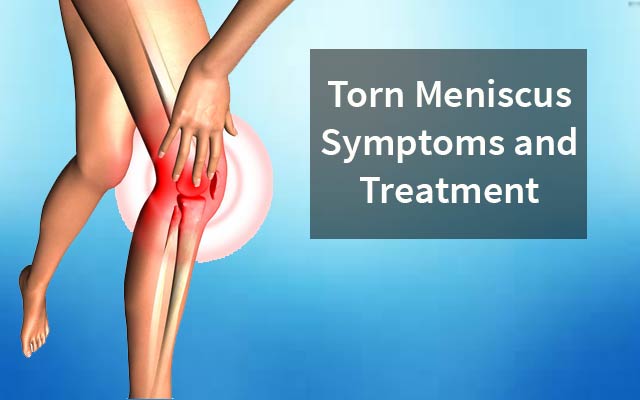
There are different types of knee injuries. Torn meniscus tear is a painful condition and common in adult patients. Torn meniscus tear is one of the most commonly occurring injuries related to cartilage.
What is Torn Meniscus Tear?
The torn meniscus tear results from the tearing of the cartilage in the knee cushioning and stabilizing the joint. The primary role if this cartilage is to protect bones from potential wear and tear. A sudden snappy twist to the knee can cause a meniscus tear.
Some of the sporting activities including football, soccer, and volleyball can result in torn meniscus tear. The chances of developing torn meniscus tear are higher in people above 65 years of age.
Symptoms of Torn Meniscus Tear
Here are some symptoms you may feel in case of a torn meniscus tear.
- The tendency of the knee to get jammed at once place.
- Difficulty in moving the leg or bending of the knee.
- The popping sensation or sound in the knee.
- Swelling in the knee area.
- A sharp and sudden pain in the knee.
The pain of the meniscus tear worsens with the passage of time.
Diagnosis of Torn Meniscus Tear
Your doctor will carry out a diagnosis to evaluate the condition of the knee. The diagnosis may involve the use of X-rays, conducting MRI scans, and checking for a broken bone issues.
Treatment for Torn Meniscus Tear
The treatment for meniscus tear of the knee varies with the extent of the injury. Besides injuries, the doctor will also take into consideration other factors including activity level, injuries, and age of the patient. In some cases, the meniscus tear may also heal on its own. There is a good blood supply that can heal on its own.
Let us look at the commonly used methods of treating torn meniscus tear.
Apply Ice to Knee
The application of ice can help reduce inflammation and overcome pain. The doctor may recommend the patient to apply ice 3 – 4 minutes every 2 to 3 days. The patient needs to follow the advice of their physician.
Use Anti-Inflammation Medications
The doctor may prescribe the patient to use medications like Motrin, Advil, and Aleve. However, you must not take any pain killers on your own. Make sure you take them in the right dosage as per your orthopedic doctor’s advice.
Compress Your Knee
The use of an elastic band can help control knee swelling. The use of support can help keep your knee stable and overcome some of the pain due to movement.
Stretching Exercises
The doctor may ask the patient to indulge in daily stretching exercises. The use of stretching exercises as per doctor’s recommendation can help gradually overcome pain.
Avoid Certain Activities till Full Recovery
The type of activity depends on the kind of injury. The doctor may ask the patient not to indulge in physically exhaustive activities. Typical activities that the physician refrains their patients from doing include jumping and running.
Torn Meniscus Tear – Recovery Times
In most of the cases, conservative methods of treatments do help. However, if these methods fail to deliver results, the doctor may suggest torn meniscus tear surgery. A simple procedure is used where most of the patients can go home the same day. In the case of a repair surgery, the patients need to wear a knee brace.

Chronic knee pain is a continuous problem for the patients. The symptoms you experience point to the cause behind it.
Reasons for Chronic Knee Pain
There are two types of knee pain, chronic and temporary. Temporary knee pain subsides with time, but permanent knee pain remains there for a long time.
Let us have a look at the reasons for acute knee pain.
Bone Tumors
Osteosarcoma is the second most common type of knee cancer existing in patients. It is potentially a dangerous issue and can cause chronic knee pain.
Torn Ligament
A knee has four ligaments, and a tear to any one of them can cause severe pain. Anterior Cruciate Ligament (ACL) is one of the most common knee torn ligaments.
Meniscus Tear
One or more of the knee cartilages tear to form the meniscus tear.
Knee Dislocation
The knee cap dislocation is a very painful condition. The knee cap pain is mostly caused because of trauma or dislocation.
Rheumatoid Arthritis
Rheumatoid arthritis is an autoimmune inflammatory disorder which can cause swelling and knee pain. Long term rheumatoid arthritis can cause bone erosion and joint deformity.
Baker’s Cyst
The synovial fluid buildup behind the knee causes Baker’s Cyst. The synovial fluid is responsible for keeping the knee lubricated.
Gout
The buildup of uric acid can cause gout, another painful condition for the knee.
Chondromalacia Patella
The damage to the cartilage under the kneecap can cause chondromalacia patella.
Bursitis
The repeated overuse of the knee joint can cause the bursa to swell, resulting in bursitis.
Tendinitis
Pain in knee’s front which can get worse due to climbing, walking, or taking stairs.
Osteoarthritis
Deterioration and degeneration of the knee joint because of pain, and inflammation.
Some Factors Which Can Worsen Knee Pain
These are some factors which can further deteriorate the knee pain condition in patients.
Bad Posture
Bad body position during intense physical activity is a major factor contributing to increased knee pain.
Lack of Warm Up
When you do not warm up before physical activity, it can cause knee related problems.
Improper Muscle Stretch
The improper stretch of the knee muscles causing twisting or turning of the joint can result in problems.
Injuries
An injury which damages knee structure can result in swelling and bleeding. A knee injury must be treated on a timely basis before it can cause chronic pain.
Other Reasons
There are other possible reasons behind chronic knee pain too including sprains, strains, overuse, and infection.
Patients at Greater Risk of Chronic Knee Pain
Obese or overweight people are at increased risk of chronic knee pain. Obese patients have to carry extra weight affecting their knees and other parts of the body. Some factors of knee pain include athletic activity, physical exercise, injuries, trauma, or age.
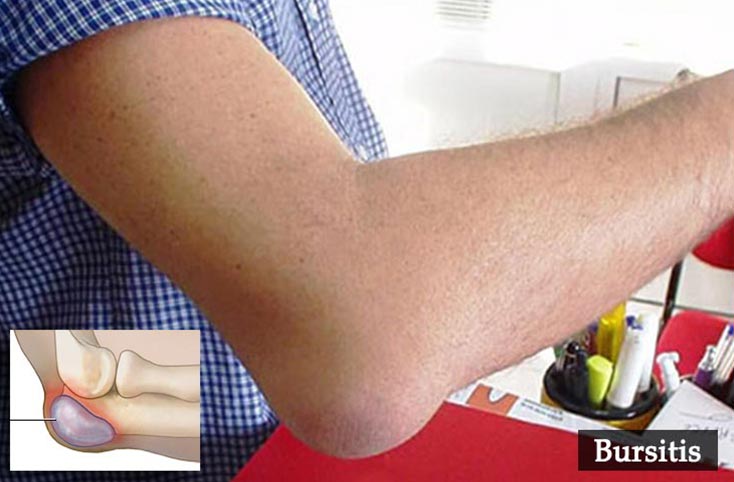
What is Bursitis?
The inflammation of bursa mainly causes bursitis. Bursa, a sac filled with fluid helps reduce friction between bones, tendons, muscles, and skin.
Reasons for Bursitis
There are several reasons which can cause bursitis.
-
The repetitive motion of the muscle.
-
A minor injury or impact to the elbow or related area.
-
Sometimes an acute injury can cause bursitis.
-
The increase in age also adds to the risk of patients having bursitis.
-
Some of the typical Professions or physical activities commonly associated with bursitis include skiing, painting, shoveling, scrubbing, tennis, and throwing.
-
The incorrect human body posture at the workplace can also cause bursitis.
Typical Age of Patients Suffering from Bursitis
Bursitis most commonly impacts the adults.
Body Parts Impacted by Bursitis
The body parts usually get affected by bursitis include Achilles tendon, knee, hip, shoulder, and elbow.
Symptoms Associated with Bursitis
Pain is the most usual symptom of bursitis. This pain may build up slowly or suddenly. Calcium deposits may also cause bursitis. The loss of motion in the shoulder area may also signal a patient suffering from bursitis. Frozen shoulder is sometimes considered a reason for having bursitis.
How to Prevent Bursitis?
Here are some tips for us as adults to avoid bursitis.
-
The first tip given to the patient is to maintain an active lifestyle, involving daily exercise.
-
Also get regularly check up with your doctor in case you have any symptoms signaling towards bursitis.
-
Avoid doing physical activities which lead to bursitis, and contact your physician to sort out the problem.
Treatment for Bursitis
Some of the treatments for bursitis include the following.
-
To apply icing on the injured area affected by bursitis.
-
To avoid doing the physical activities resulting in bursitis.
-
To rest the area injured because of the problem.
-
The patient may be advised by orthopedic doctor to take anti-inflammatory medications.
Precautions & Treatment
If after taking all the precautions mentioned above, you do not feel better in a week’s time, you need to get in touch with your doctor immediately.
Your doctor is the best person to advise you the right type of medicine to take based on an assessment of your medical and health conditions. There are different treatment options available to an orthopedic surgeon including administering medicine through injections, use of steroids, physical therapy, and eventually surgery if nothing else works out for you.
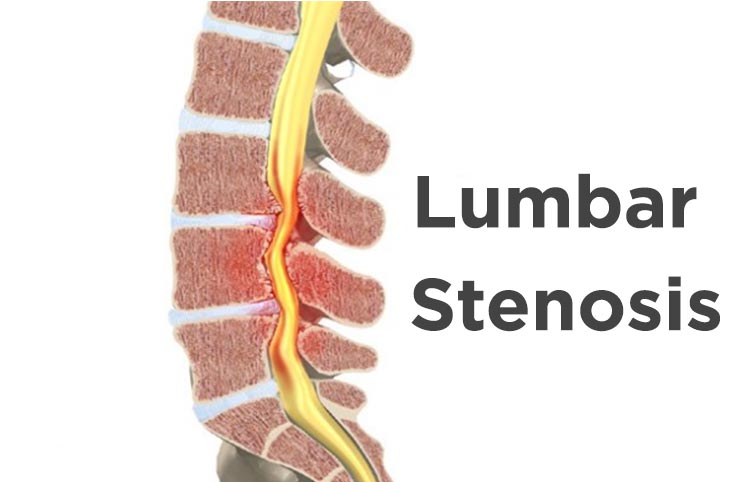
The narrowing or constriction of the spinal cord is called Stenosis of the spine. ‘
Common Causes Behind Spinal Cervical Stenosis
Here are some of the common causes responsible for cervical spinal stenosis.
-
Disc degeneration
-
Formation of disc osteophyte complex
-
Hypertrophy of ligament flava
-
The formation of osteophytes near the facet joints
-
Sometimes, there are other causes of cervical spinal stenosis as well like certain medical conditions, and calcification of the posterior longitudinal ligament.
Commonly Known Symptoms of Spinal Stenosis
These are some of the common symptoms usually related to spinal stenosis.
-
The pain in neck and feeling of stiffness.
-
Change in patient’s gait when walking is sometimes the only symptom for spinal stenosis.
-
The patient is facing problem in performing tasks which require fine motor functions. For example, carrying out tasks like writing and buttoning their shirt.
-
When the spinal stenosis becomes more severe, it results in long tract signs like wide-based gait, weakness, and balance difficulties.
-
Sometimes the disability caused due to spinal stenosis can lead a patient to use a wheelchair for mobility.
-
The decreased range of the cervical spine moment is one of the symptoms of spinal stenosis.
-
Other symptoms may also include clonus and spasticity in legs, and vascularity.
Diagnosis of Spinal Stenosis
The orthopedic surgeon will usually not specify any particular lab tests for diagnosing spinal stenosis. However, the orthopedic doctor may use MRI scans and X-rays to evaluate a patient suffering from spinal stenosis. The doctor will also go through a patient’s medical history and clinical examination to ensure proper diagnosis of the patient.
Conservative Treatment Methods for Cervical and Lumbar Stenosis
Here are the treatment options an orthopedic doctor may choose.
Anti-inflammatory Drugs
A physician may advise the patient anti-inflammatory drugs like naproxen or aspirin to reduce inflammation and help to reduce pain.
Analgesics
The doctor may recommend analgesics to help relieve pain without having the anti-inflammatory effects on the patient. Doctors usually do not recommend long term usage of analgesics and NSAIDs.
Steroids
Sometimes, the doctor may advise patients’ with steroids in extreme pain. The steroids only provide temporary relief from pain and also help reduce swelling.
Facet Injections
The dose of corticosteroid via minimally invasive surgical procedures help reduce pain within the joint capsule and the surrounding tissue area.
Chiropractic
The adjustment of the spine can also contribute to relieving pain. The treatment involves applying pressure to align bones and return joints to their original position.
Holistic Therapies
Sometimes, the doctor may advise their patient’s different types of holistic therapies to treat the spinal stenosis problem involving acupressure, acupuncture, and biofeedback.
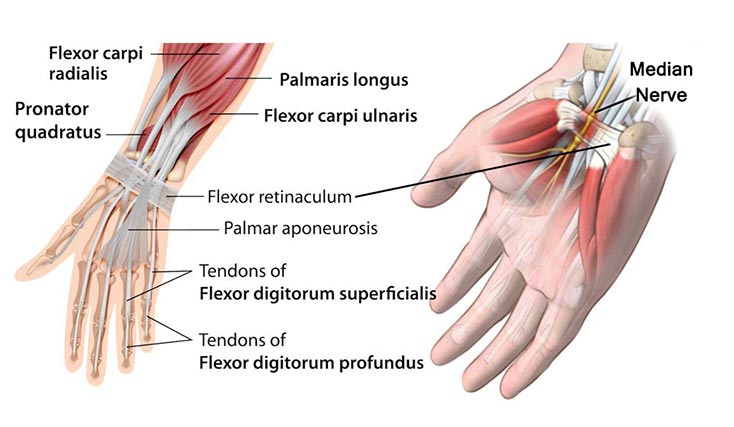
It is a painful medical condition caused by compression of the median nerve within the wrist area.
Symptoms of Carpal Tunnel Syndrome
These are some of the common symptoms associated with Carpal Tunnel Syndrome.
- The tendency to drop objects from your hand due to weakness.
- A dull ache in upper arm, forearm, and hand with discomfort
- A burning and prickling sensation in the hand.
- Changes in the color of the hand skin. Dry or swelling skin of the hand.
- Losing or having reduced sensation or feeling for touch in hand.
- The feeling of tingling or numbness in your fingers or hands extending to thumb, index, middle or ring fingers.
Treatment of Carpal Tunnel Syndrome
Sioux Falls Orthopedics team of doctors is led by Dr. Dave Watts, MD. We treat our Carpal Tunnel Syndrome patients using incision in the wrist area. The surgeon will dissect the transverse carpal ligament to release pressure on the median nerve. This process enlarges the carpal tunnel. The surgical procedure adopted may vary according to the medical and general health conditions of the patients.
In some cases, you may be suggested to practice post-operative procedures to speed up recovery and avoid recurrence of Carpal Tunnel Syndrome.
- Avoid smoking to promote healing and eating a healthy diet.
- The use of physical therapy to help the wrist get back to its full strength.
- The use of plastic wrap to cover the surgical incision while keeping it dry and clean.
- Reduce swelling by regularly applying ice packs to the surgical area.
- To wear the splint until full recovery from effects of the surgery.
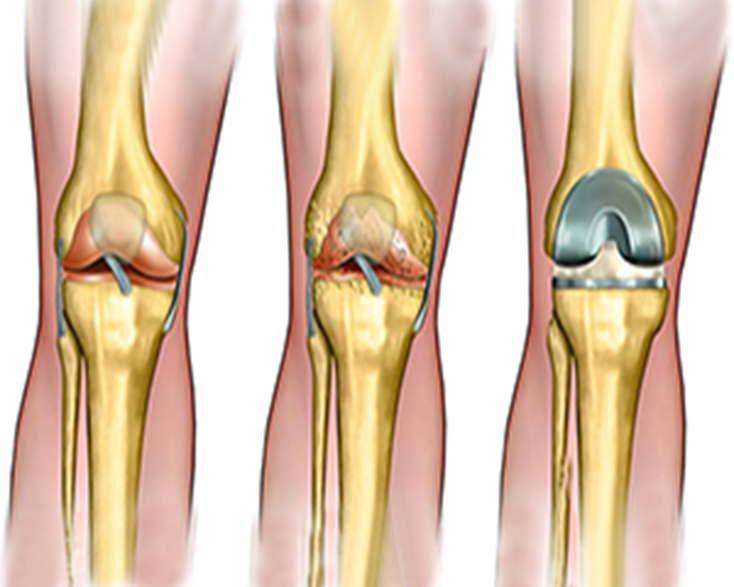
The knee is an important and one of the biggest joints in the human body. We often tend to ignore minor knee problems until they become unavoidable. Knee problems can be caused due to job-related joint stresses, sports, and other recreational activities. Age can also contribute to the deterioration of the knee joint. Diseases like arthritis and osteoporosis may also add to knee-related problems.
Injuries are another major cause of knee related issues. A direct blow to the knee may cause severe injury or abnormal twisting.
Core Orthopedics surgeons routinely treat knee related problems. We take care of all types of knee related injuries resulting from various causes.
WHY KNEE REPLACEMENT
Knee replacement is not an easy decision. However, you may face a situation where there is no other option left but to get your knee replaced. Core Orthopedics team of surgeons reaches the decision of knee replacement after consultation and by taking the patient into confidence.
CARE AT EACH STAGE
Our surgeon will take care of all pre-operation procedures to prepare the patient. This pre-operation may include blood tests, general medical check-up, anti-inflammatory medications, and ceasing of any medication.
At the day of your operation, you will be admitted to the hospital and further tests may be conducted depending on your medical condition. The doctor may ask questions to accurately ascertain your health conditions and vital health signs.
After successful completion of the knee replacement surgery, you will be kept in the recovery room for monitoring your vital health information. Once stable, you will be taken to the recovery ward. A normal knee replacement operation takes 24 hours for the drain to come out. After the drain, most patients are able to slowly start moving and can walk within a day or two of the surgery.
Here are some of the benefits of knee replacement.
-
Knee replacement surgery shortens your stay at the hospital.
-
Most of the surgeries result in a lesser amount of blood lost.
-
Total time of rehabilitation is significantly shortened.
-
The use of minimally invasive techniques results in smaller incisions.
-
Reduced trauma caused to the tendons and muscles.